
What Is Microcement? A Complete Guide
Published: by SEMCO FL
One of the most common questions homeowners, architects, and interior designers ask when exploring modern surface finishes is, “What is microcement?” The answer is surprisingly simple: microcement is a thin, decorative cement-based coating that can be applied directly over existing surfaces to create a seamless, modern, and highly durable finish.
Unlike traditional concrete, microcement is applied in layers of only 2–3 mm, making it an ideal solution for renovations where homeowners want to avoid the cost, mess, and downtime of full demolition. It is commonly used on walls, floors, bathrooms, kitchens, countertops, staircases, and even outdoor areas.
This guide explains what microcement is, how it works, where it can be used, and why it has become one of the most popular interior and exterior finishes.
What Is Microcement?
Microcement is a cement-based decorative coating made from a blend of cement, polymers, resins, additives, and mineral pigments. It is designed to bond to a wide range of surfaces, including:
- Concrete
- Tiles
- Plaster
- Drywall
- Wood
- Metal
- Existing countertops
Once applied and sealed, microcement creates a continuous, joint-free surface with a modern concrete-like appearance.
Why Is Microcement So Popular?
Florida homeowners choose microcement because it handles humidity well, works over old tile, and reduces costly demolition. Its seamless finish prevents grout issues in moisture-prone areas like bathrooms and kitchens, while also supporting modern indoor–outdoor living spaces. It’s a practical, low-maintenance solution for hot and humid climates.
Where Can Microcement Be Used?
One of the biggest advantages of microcement is its versatility.
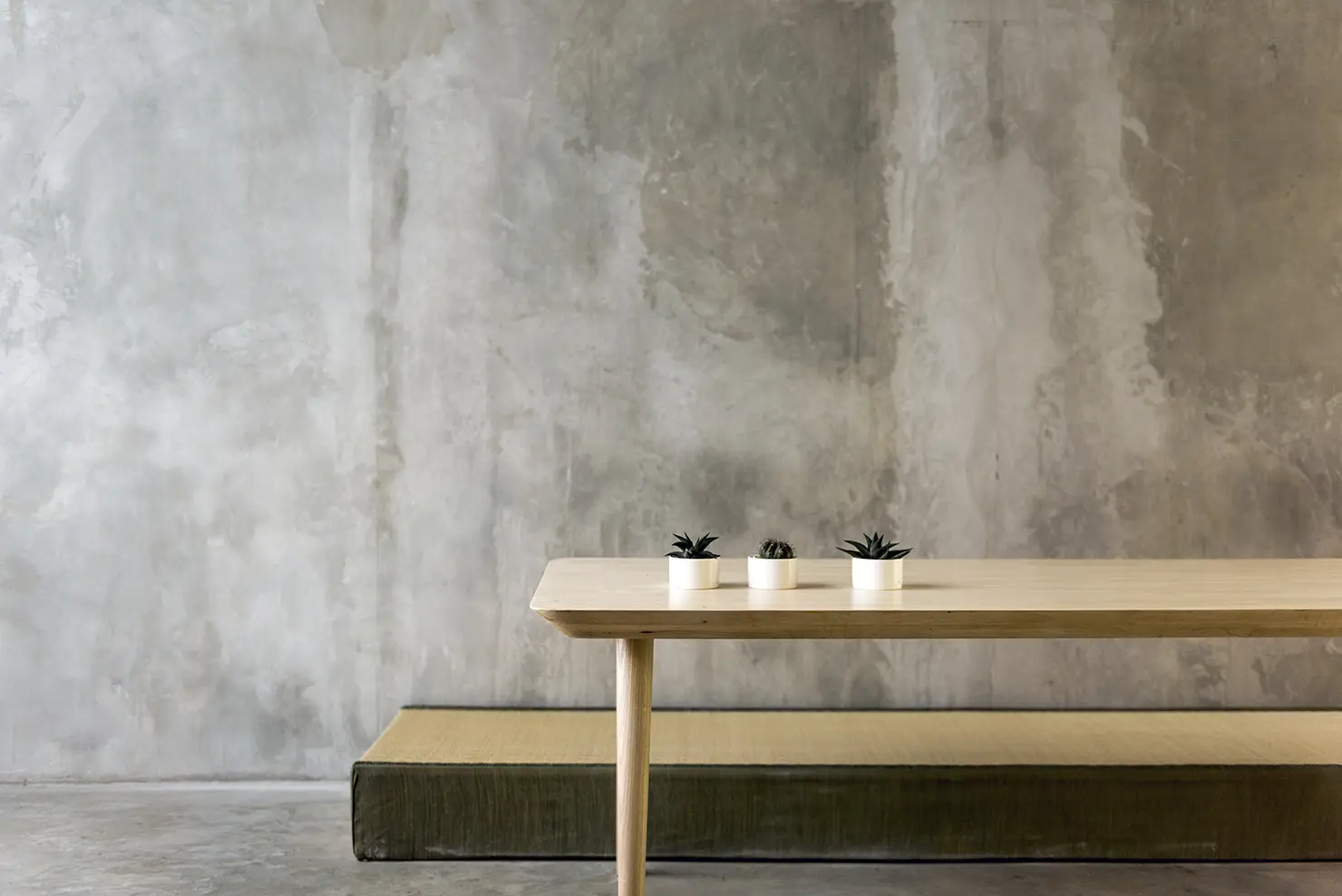
1. Microcement Walls
Creates a sleek, contemporary look in living rooms, bedrooms, offices, and commercial spaces.
2. Microcement Floors
Provides a durable, seamless flooring solution for homes and businesses.
3. Bathrooms
Popular for showers, vanity areas, and entire bathroom renovations due to its water-resistant performance.
4. Kitchens & Countertops
Offers a modern, minimalist appearance with easy maintenance.
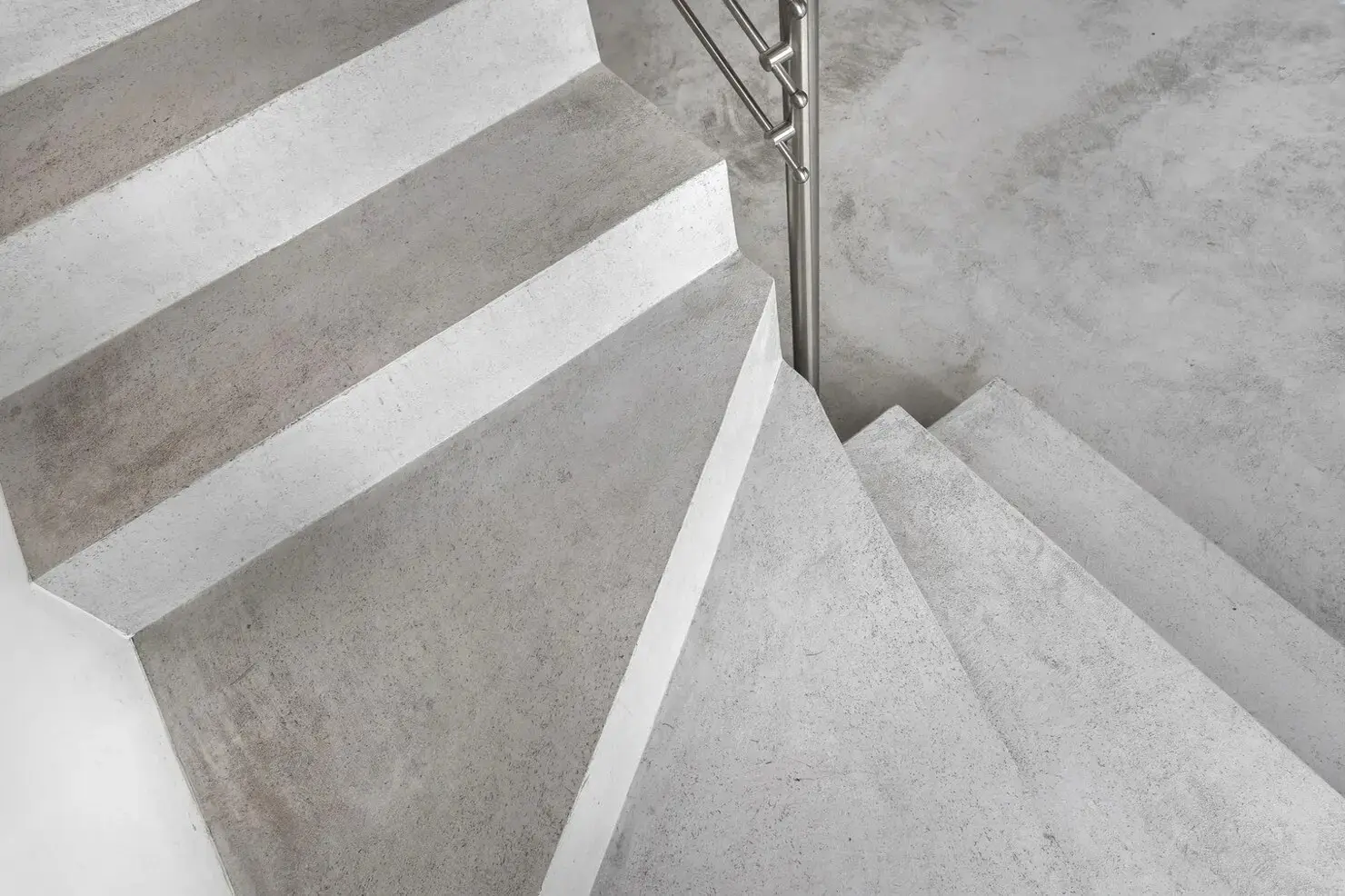
5. Staircases
Creates a continuous architectural finish without visible joints.
6. Outdoor Areas
Suitable for patios, terraces, and certain exterior applications when using the appropriate system.
START A PROJECT
How Is Microcement Applied?
A typical installation includes:
- Surface preparation
- Primer application
- Base microcement layers
- Finishing layers
- Sanding and texturing
- Protective sealing
Professional installation is important because surface preparation and sealing greatly affect the final durability and appearance.
Microcement vs Traditional Concrete
Comparison
| Feature | Microcement | Traditional Concrete |
| Thickness | 2–3 mm | Several inches |
| Renovation-Friendly | Yes | No |
| Seamless Finish | Yes | Often No |
| Weight | Lightweight | Heavy |
| Installation Time | Faster | Longer |
| Design Flexibility | High | Moderate |
Is Microcement Waterproof?
Microcement itself is not completely waterproof. However, when combined with proper waterproofing systems and high-quality sealers, it becomes highly resistant to moisture and water penetration, making it suitable for bathrooms, showers, kitchens, and outdoor areas.
How Long Does Microcement Last?
A professionally installed microcement surface can last 15–20 years or longer with proper maintenance. Longevity depends on installation quality, traffic levels, and routine care.
Is Microcement Worth It?
For homeowners seeking a modern, durable, and low-maintenance finish, microcement is often a worthwhile investment. Its ability to transform existing surfaces without demolition can save time and reduce renovation costs while delivering a premium contemporary appearance.
Frequently Asked Questions (FAQs)
1. What exactly is microcement?
Microcement is a thin cement-based decorative coating applied over existing surfaces to create a seamless finish for walls, floors, bathrooms, kitchens, and more.
2. Can microcement be applied over tiles?
Yes. Microcement can often be installed directly over existing tiles with proper surface preparation.
3. Is microcement suitable for bathrooms?
Yes. When properly sealed, microcement is highly water-resistant and commonly used in showers and bathroom floors.
4. Does microcement crack easily?
Professional installation and proper substrate preparation significantly reduce the risk of cracking.
5. How do you clean microcement surfaces?
Most surfaces can be cleaned using mild soap, water, and non-abrasive cleaning products.
Have questions? We can help!
Have Any Questions?
We would love to hear from you! Let’s start talking about your project or idea and find out how we can help you.
- Call us: 954-852-7281
- Get a quote: Free Quote
Since 1991
Concrete & Tile Resurfacing Solutions
SEMCO Florida, Innovation driven surface engineering company that specializes in developing surfacing products for floors, walls, pool decks and waterproofing.

The Semco resurfacing products are a great option for a wide variety of spaces and projects. Semco surface solutions can be used in residential and commercial bathrooms, driveways and garages, exterior walkways, pool decks, roof decks, exterior facades, interior walls and stairs.
Phone: 954-852-7281
SEMCO Florida
Warehouse Address:
1097 Jupiter Park Ln Bldg. 8, Jupiter, FL 33458
Concrete, Tile, Wall, Pool Deck, Driveway, Waterproofing +
- Tile Resurfacing Kits
- Tile Resurfacing & Restoration
- Microcement
- Pools Decks
- Paver Repair (Resurfacing)
- Concrete Resurfacing & Refinishing
- Garage Floor Resurfacing
- Decorative Concrete Resurfacing
- Concrete Wall Finishes
- Concrete Crack Repair
- Facade Resurfacing
- Waterproofing (Liquid Membrane)
- Public Works