
Microcement Floor Installation Guide for Homeowners
Learn how to install a microcement floor with this step-by-step guide, including preparation, application, sealing, and maintenance tips.

Published: by SEMCO FL
What Is Microcement and Why Is It So Popular?
Microcement is a thin, decorative coating made from cement, water-based resins, additives, and mineral pigments. Unlike traditional concrete, microcement can be applied directly over existing floors, tiles, or walls without the need for demolition. Its seamless, modern finish has made it a go-to choice for homeowners looking to upgrade their interiors with a sleek, minimalist aesthetic. Whether you want to transform a kitchen, bathroom, living room, or outdoor terrace, microcement delivers stunning results when applied correctly.
Tools and Materials You Will Need
Before you begin your microcement floor installation, make sure you have the right tools and materials on hand. Being prepared will save you time and help you avoid costly mistakes.
- Microcement base coat and finish coat
- Primer (specifically formulated for microcement)
- Steel trowel or spatula
- Mixing paddle and electric drill
- Sanding paper (80-grit and 120-grit)
- Sealer or polyurethane varnish (2-component recommended)
- Protective gloves, goggles, and a dust mask
- Clean mixing buckets
- Vacuum or broom for surface preparation
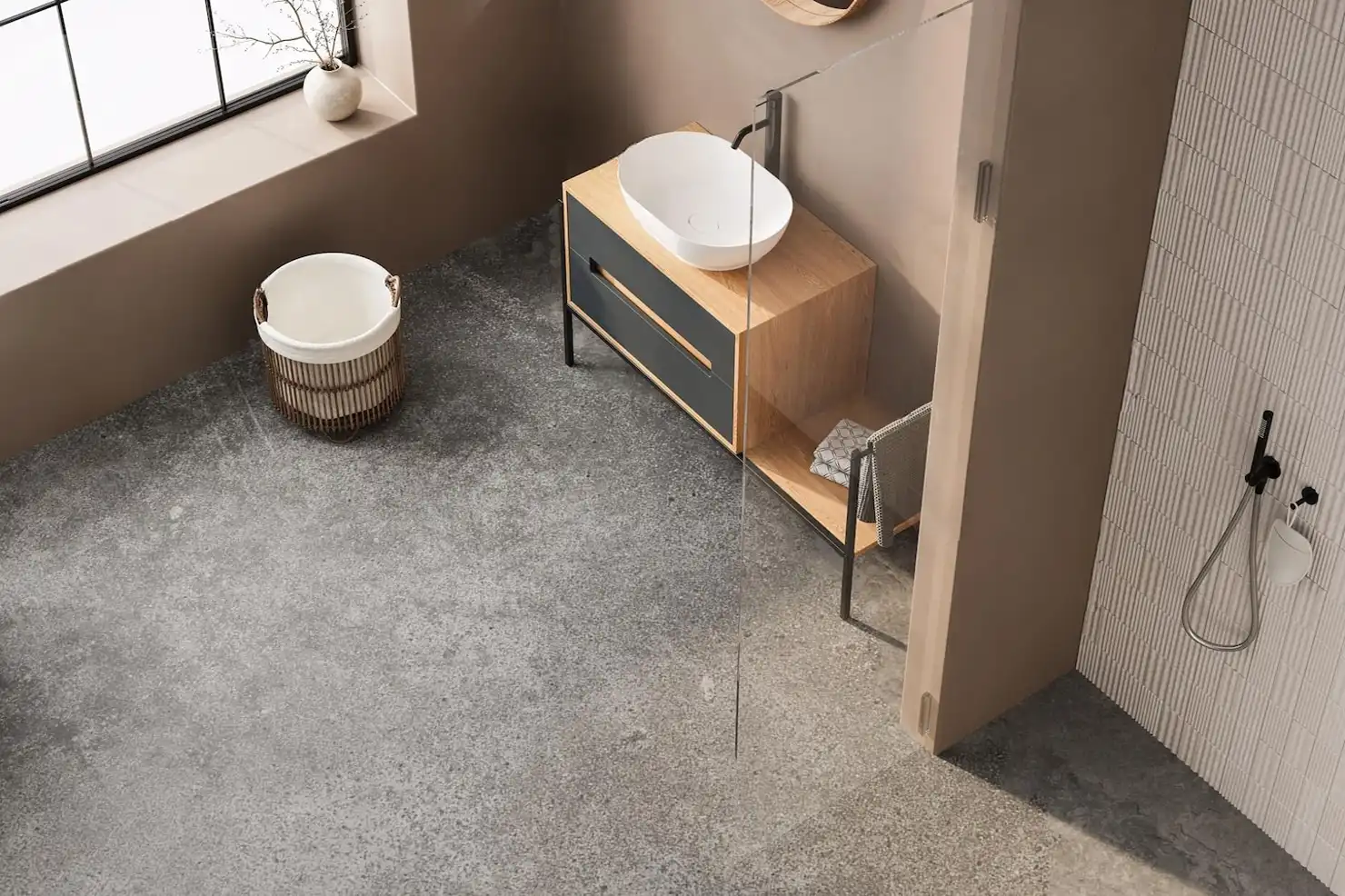
Step-by-Step Microcement Floor Installation Guide
Step 1: Prepare the Substrate
Proper surface preparation is the most critical step in any microcement installation. The existing floor must be clean, dry, structurally sound, and free from grease, dust, paint, or any loose material. Use a grinder or sander to smooth out any uneven areas, cracks, or ridges. Fill in any significant cracks or holes with a suitable filler and allow it to cure completely. Remember: microcement is a thin coating — it will follow every imperfection underneath it, so a perfectly smooth substrate is non-negotiable.
Step 2: Apply the Primer
Once the substrate is ready, apply a coat of primer using a roller or brush. The primer improves adhesion between the substrate and the microcement layers. Allow the primer to dry fully according to the manufacturer’s instructions, which is typically between one and three hours depending on temperature and humidity levels in the room.
Step 3: Apply the Base Coat
Mix the microcement base coat thoroughly according to the manufacturer’s specifications. Using your steel trowel, apply the first layer in thin, even strokes at approximately 1–2 mm thickness. Work in small sections to maintain a wet edge and avoid visible joins. Once the first layer is dry (usually 3–6 hours), lightly sand with 80-grit sandpaper to remove any trowel marks or imperfections. Remove all dust before proceeding. Apply a second base coat layer in the same manner, working in a direction perpendicular to the first pass for better coverage and strength.
Step 4: Apply the Finish Coat
The finish coat is what gives microcement its distinctive look and texture. Mix the finish coat and apply it in thin, smooth layers using your trowel. This is where your technique really matters — work with confident, overlapping strokes and maintain a consistent pressure to achieve a uniform surface. You can also use this stage to create subtle textural patterns if desired. Allow it to dry and sand lightly with 120-grit sandpaper for an ultra-smooth result.
Step 5: Seal the Surface
Sealing is absolutely essential for microcement floors, especially in high-traffic areas or wet rooms like bathrooms and kitchens. Apply at least two coats of a high-quality polyurethane or epoxy sealer, allowing each coat to dry thoroughly before applying the next. The sealer protects the floor from water ingress, staining, and everyday wear and tear. Without proper sealing, microcement will absorb liquids and stain easily.
Common Mistakes to Avoid
- Skipping or rushing the surface preparation stage
- Applying coats that are too thick, which can lead to cracking
- Not allowing adequate drying time between layers
- Forgetting to seal the finished surface
- Working in extreme temperatures or high humidity without climate control

Maintenance Tips for Microcement Floors
Once installed and sealed, microcement floors are surprisingly easy to maintain. Clean them regularly with a neutral pH cleaner and a damp mop. Avoid harsh chemical cleaners or abrasive scrubbing pads, as these can degrade the sealer over time. Depending on foot traffic, you may need to reapply a maintenance coat of sealer every two to three years to keep the floor looking its best.
Is DIY Microcement Installation Right for You?
While it is entirely possible for a skilled and patient homeowner to install microcement themselves, it does require practice and a steady hand. If you are tackling a large area or a complex space, it may be worth hiring a professional for at least the final finish coat. However, for smaller projects or those with some tiling or plastering experience, a DIY microcement floor can be a rewarding and cost-effective home improvement project.
With the right preparation, quality materials, and a little patience, you can achieve a stunning, long-lasting microcement floor that transforms any room in your home.
Have questions? We can help!
Have Any Questions?
We would love to hear from you! Let’s start talking about your project or idea and find out how we can help you.
- Call us: 954-852-7281
- Get a quote: Free Quote
Since 1991
Concrete & Tile Resurfacing Solutions
SEMCO Florida, Innovation driven surface engineering company that specializes in developing surfacing products for floors, walls, pool decks and waterproofing.

The Semco resurfacing products are a great option for a wide variety of spaces and projects. Semco surface solutions can be used in residential and commercial bathrooms, driveways and garages, exterior walkways, pool decks, roof decks, exterior facades, interior walls and stairs.
Phone: 954-852-7281
SEMCO Florida
Warehouse Address:
1097 Jupiter Park Ln Bldg. 8, Jupiter, FL 33458
Concrete, Tile, Wall, Pool Deck, Driveway, Waterproofing +
- Tile Resurfacing Kits
- Tile Resurfacing & Restoration
- Microcement
- Pools Decks
- Paver Repair (Resurfacing)
- Concrete Resurfacing & Refinishing
- Garage Floor Resurfacing
- Decorative Concrete Resurfacing
- Concrete Wall Finishes
- Concrete Crack Repair
- Facade Resurfacing
- Waterproofing (Liquid Membrane)
- Public Works