
What Is a Liquid Applied Waterproofing Membrane? Benefits, Applications, and Why It’s Essential
Published: by SEMCO FL
This guide explains what a liquid applied waterproofing membrane is, its benefits, common applications, and why it has become a preferred waterproofing solution.
Understanding Liquid Applied Waterproofing Membranes
A liquid applied waterproofing membrane is a protective coating that is applied in liquid form and cures to create a seamless, flexible, and waterproof barrier. Unlike traditional sheet membranes that require seams and overlaps, liquid membranes form a continuous layer that effectively prevents water penetration.
These membranes are commonly made from polyurethane, acrylic, bitumen, or hybrid polymer formulations. Once applied, they bond directly to the substrate, creating a durable waterproof layer that can withstand environmental exposure and structural movement.
Why Florida Buildings Need Strong Waterproofing
Florida’s heavy rainfall, high humidity, and hurricane exposure make buildings especially vulnerable to water damage. Common issues like roof leaks, balcony seepage, mold growth, and foundation moisture are frequent in both residential and commercial properties. These conditions make durable, seamless waterproofing systems essential for long-term protection.
START A PROJECT
Key Benefits of Liquid Applied Waterproofing Membranes
Several advantages have contributed to the growing demand for liquid waterproofing systems.
1. Seamless Waterproof Protection
One of the biggest benefits is the creation of a continuous waterproof barrier. Unlike sheet systems that rely on properly sealed joints, liquid membranes eliminate seams that can become weak points over time.
2. Excellent Flexibility
Buildings naturally expand and contract due to temperature changes and structural movement. Liquid applied membranes remain flexible after curing, allowing them to accommodate minor cracking and movement without losing waterproof performance.
3. Easy Application
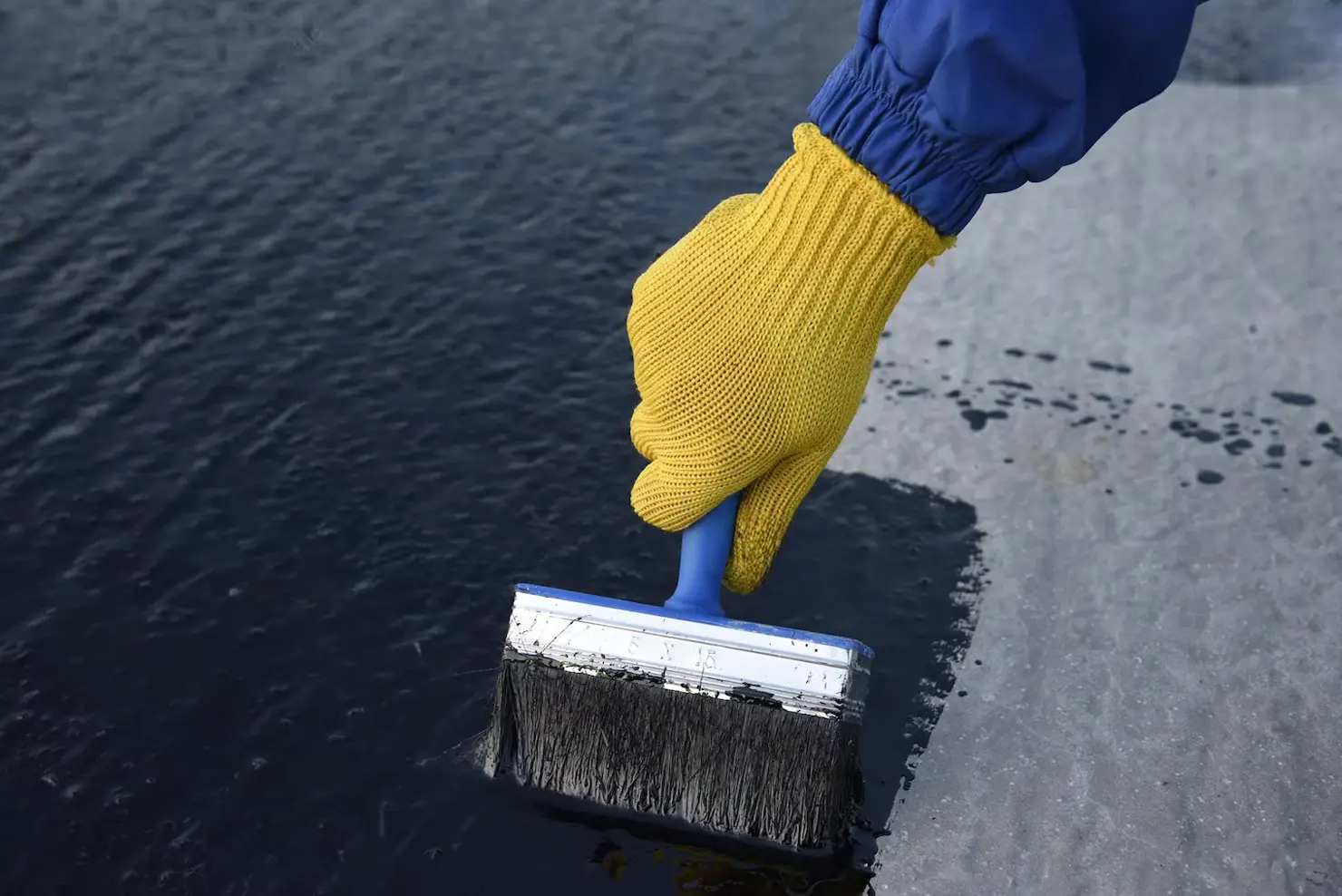
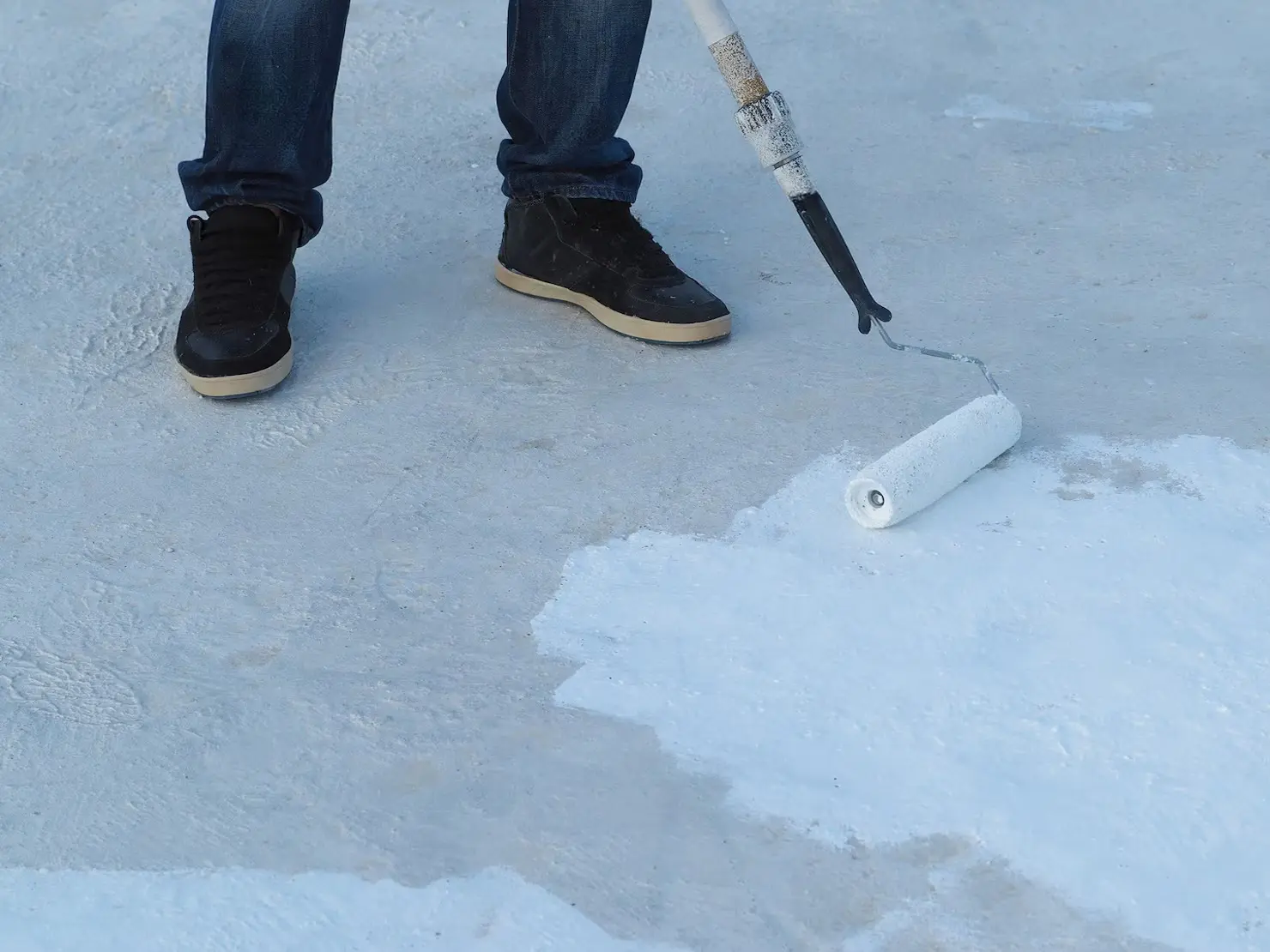
The material can be applied using simple tools such as rollers, brushes, or spray systems. This often reduces installation time and labor costs compared to traditional waterproofing methods.
4. Strong Adhesion
Liquid membranes bond effectively to a wide range of substrates, including concrete, masonry, metal, wood, and existing waterproofing systems.
5. Durability and Longevity
Modern waterproofing membranes are designed to resist UV exposure, weathering, chemicals, and standing water, ensuring long-term protection in demanding environments.
6. Suitable for Complex Surfaces
Because the membrane is applied as a liquid, it can easily conform to corners, curves, protrusions, and irregular surfaces where sheet membranes may be difficult to install.
Common Applications of Liquid Applied Waterproofing Membranes
Roof Waterproofing
Flat roofs and low-slope roofs are among the most common applications. Liquid membranes create a seamless barrier that protects roofing systems from rain, ponding water, and UV exposure.
Bathrooms and Wet Areas
Bathrooms, showers, laundries, and other wet areas require effective waterproofing to prevent moisture damage. Liquid applied membranes provide reliable protection beneath tiles and other finishes.
Balconies and Terraces
Outdoor surfaces are constantly exposed to weather conditions. Waterproof membranes help prevent water infiltration that can damage underlying structural components.
Basements and Foundations
Below-grade structures often face hydrostatic pressure and groundwater intrusion. Liquid waterproofing systems help keep basements dry and protected.
Parking Decks
Parking structures experience heavy traffic, temperature fluctuations, and water exposure. Flexible waterproof membranes help extend the life of these surfaces.
Water Retaining Structures
Liquid waterproofing membranes are frequently used in tanks, reservoirs, fountains, and other structures that require long-term water containment.
Factors Affecting Waterproofing Performance
Several factors influence the effectiveness of a liquid applied waterproofing membrane:
Surface Preparation
Proper substrate preparation is critical. Surfaces must be clean, dry, and free from contaminants that could affect adhesion.
Product Selection
Different waterproofing products are designed for specific applications. Choosing the correct membrane for the environment and substrate is essential.
Application Thickness
Manufacturers specify minimum dry film thickness requirements. Applying insufficient material can compromise waterproof performance.
Environmental Conditions
Temperature, humidity, and weather conditions can affect curing times and installation quality.
Professional Installation
While some products are suitable for DIY applications, complex projects often benefit from professional installation to ensure long-term performance.
Typical Waterproofing Process
Here is a general overview of the waterproofing process:
| Stage | Estimated Duration |
| Surface Inspection | 1–2 Days |
| Surface Preparation | 1–3 Days |
| Primer Application | 1 Day |
| Membrane Application | 1–2 Days |
| Additional Coats | 1–2 Days |
| Curing Period | 1–7 Days |
| Final Inspection | 1 Day |
Note: Actual timelines may vary depending on project size, weather conditions, and product specifications.
Why Liquid Applied Waterproofing Membranes Are Growing in Popularity
Property owners and contractors are increasingly prioritizing durable and cost-effective waterproofing solutions. Liquid applied waterproofing membranes provide several advantages over conventional systems, including faster installation, superior flexibility, and seamless protection.
The growing focus on sustainable construction practices has also contributed to their popularity. Many modern waterproofing products offer low VOC formulations and extended service lives, reducing maintenance requirements and lifecycle costs.
FAQs About Liquid Applied Waterproofing Membrane
1. What is a liquid applied waterproofing membrane?
A liquid applied waterproofing membrane is a protective coating that is applied in liquid form and cures into a seamless, flexible waterproof layer. It helps prevent water penetration in roofs, balconies, bathrooms, basements, and other structures.
2. Where can a liquid applied waterproofing membrane be used?
Liquid applied waterproofing membranes are commonly used on roofs, terraces, balconies, bathrooms, foundations, parking decks, retaining walls, and water-retaining structures. They are suitable for both residential and commercial projects.
3. How long does a liquid applied waterproofing membrane last?
When properly installed and maintained, a high-quality liquid applied waterproofing membrane can last between 10 and 25 years or more, depending on the product type, environmental conditions, and level of exposure.
4. What are the advantages of a liquid applied waterproofing membrane over sheet membranes?
Unlike sheet membranes, liquid applied waterproofing membranes create a seamless surface without joints or overlaps. This reduces the risk of leaks and makes them ideal for complex shapes, corners, and areas with multiple penetrations.
5. Can a liquid applied waterproofing membrane be applied over existing surfaces?
Yes, many liquid applied waterproofing membranes can be installed over properly prepared existing substrates such as concrete, masonry, metal, and previously coated surfaces. Proper surface preparation is essential to ensure strong adhesion and long-lasting performance.
Have questions? We can help!
Have Any Questions?
We would love to hear from you! Let’s start talking about your project or idea and find out how we can help you.
- Call us: 954-852-7281
- Get a quote: Free Quote
Since 1991
Concrete & Tile Resurfacing Solutions
SEMCO Florida, Innovation driven surface engineering company that specializes in developing surfacing products for floors, walls, pool decks and waterproofing.

The Semco resurfacing products are a great option for a wide variety of spaces and projects. Semco surface solutions can be used in residential and commercial bathrooms, driveways and garages, exterior walkways, pool decks, roof decks, exterior facades, interior walls and stairs.
Phone: 954-852-7281
SEMCO Florida
Warehouse Address:
1097 Jupiter Park Ln Bldg. 8, Jupiter, FL 33458
Concrete, Tile, Wall, Pool Deck, Driveway, Waterproofing +
- Tile Resurfacing Kits
- Tile Resurfacing & Restoration
- Microcement
- Pools Decks
- Paver Repair (Resurfacing)
- Concrete Resurfacing & Refinishing
- Garage Floor Resurfacing
- Decorative Concrete Resurfacing
- Concrete Wall Finishes
- Concrete Crack Repair
- Facade Resurfacing
- Waterproofing (Liquid Membrane)
- Public Works